
Ripple Research is a narrative strategy partner. We decode public discourse at scale, so our partners can understand what is shaping opinion on their issue, reach the audiences that matter, and equip their teams to lead the conversation.
We have decoded narrative dynamics across more than 17 countries and four continents, which is how we can tell a partner what will translate across a border and what will not.
Public discourse is the infrastructure on which democratic societies make decisions, and that infrastructure is under strain. The narratives shaping how people think about climate, health, democracy, and institutional trust are increasingly manufactured, amplified, and weaponised by actors who understand how persuasion works in digital environments. Most of the organisations working in the public interest do not.
The fronts we work on
Tracing how false narratives form, spread, and are weaponised.
How AI is reshaping who produces persuasion, and at what scale.
The manosphere pipeline, radicalisation, and the mainstreaming of extreme narratives.
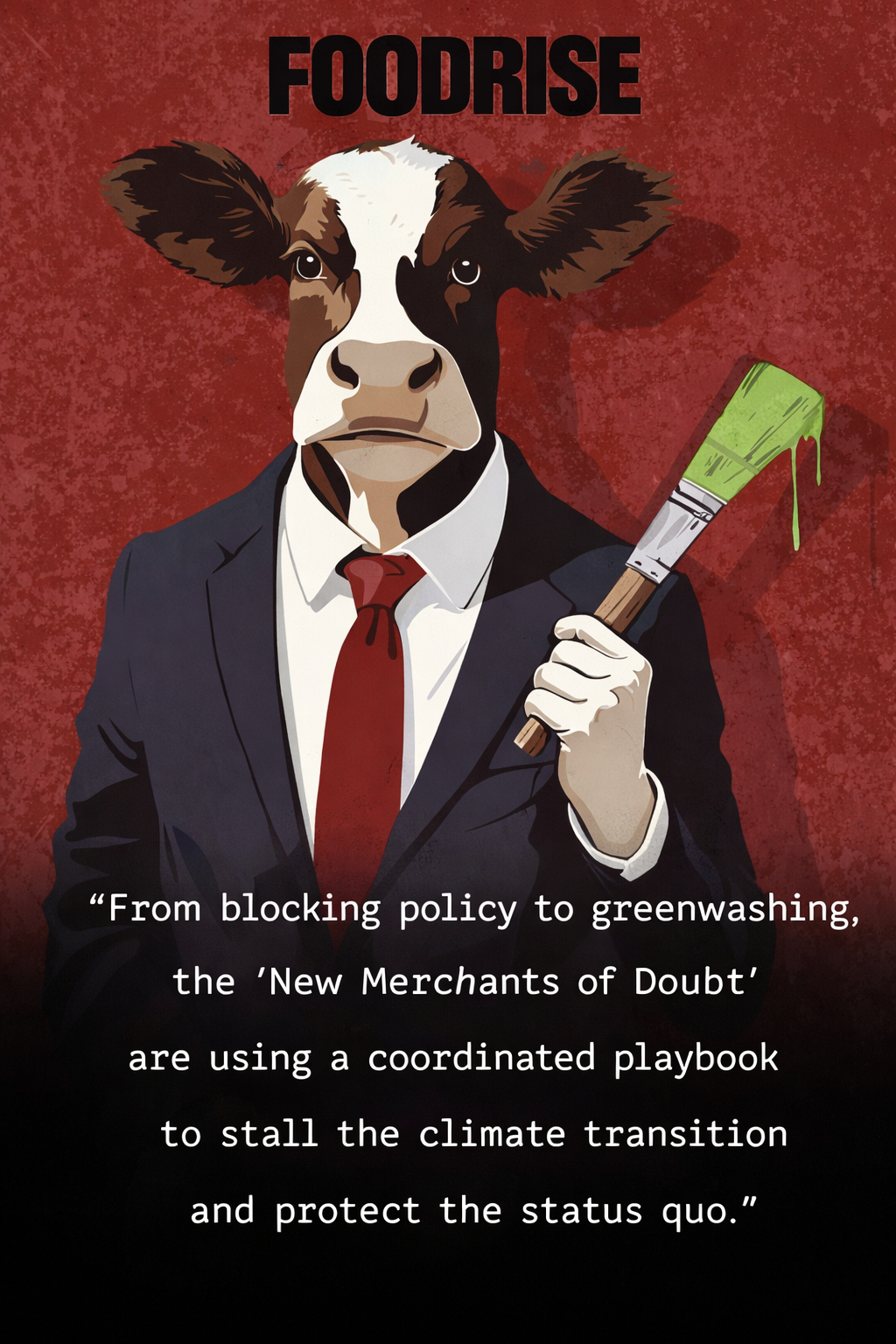
How climate opposition and deregulation narratives are organised and sold.
Infodemics, vaccine hesitancy, and the erosion of trust in institutions.
Doomerism, polarisation, and the manufacture of disengagement.
The gap is not information. There is no shortage of evidence, scientific consensus, or good policy. The gap is narrative.
The organisations best placed to act on the world's hardest problems are consistently outmanoeuvred by actors who speak to identity, lived experience, and emotion. Closing that gap takes more than better facts. It takes understanding how narratives form, move, and persuade, and building the capability to operate in that environment.
Peer-reviewed research and institutional reports, from WHO operational guidance to studies of health and climate discourse.



Ripple began during the pandemic, when the questions vastly outnumbered the answers and social data was suddenly the richest, messiest record we had of what people believed. We started by pulling signal out of that unstructured mass. It quickly became something more specific: understanding the discourse dynamics beneath the data, and how attitudes and behaviours were being shaped, by governments, by influencers, by foreign influence operations, and by ordinary peers.
If you are working on a question where narrative dynamics matter, we would like to hear about it.
We regularly apply our thinking to new sectors and contexts.
Work with us